The doctor and our team want you to have the healthiest possible smile in the healthiest possible body. Oral cancer can affect the mouth, tongue, throat, and jaw. Early detection is vital for the best possible outcome when treating this disease. That is why we check for symptoms of oral cancer at every dental examination. If you’re looking for a trusted dentist Cary patients rely on or a dentist near you, our team provides comprehensive oral cancer screenings as part of your routine dental care.
What can you do to reduce the chance of oral cancer? Reduce your risk factors. You can help prevent oral cancer by adopting these healthy habits:
- Don’t smoke. Don’t chew tobacco. Don’t use a pipe. If you use any tobacco products, quit. Tobacco use is the single largest risk factor for head and neck cancers. Talk to us—we have suggestions for helping you break the habit.
- Drink alcohol in moderation. Heavy drinkers have a higher rate of oral cancer. More than one to two drinks per day can be considered heavy drinking, depending on factors such as weight, age, and even gender. Check with your doctor to find your personal definition of moderation.
- Eat a healthy diet. Cancer-fighting fruits and vegetables are a great addition to any menu.
- Protect yourself from the sun. Help prevent sun-related lip cancers by always wearing a UVA/UVB blocking sun screen or lip balm whenever you are working or playing outside—and reapply frequently.
- Some forms of the HPV virus have been linked to oral cancer, and those affected are generally younger and less likely to be smokers. Research indicates that the HPV vaccine, known for preventing several types of cancer, might also help prevent HPV-related oral cancers.
- Schedule regular dental exams. We are trained to recognize oral cancer and precancerous conditions that you might miss.
Of course, cancer can occur even with the healthiest habits. Do come see us if you detect any of these symptoms:
- A sore or ulcer that doesn’t heal, or persistent tenderness and pain in the mouth
- Lingering sore throat, hoarseness, or vocal changes
- Pain in the neck or ear that doesn’t go away
- A lump, a rough or thickened area, or eroded tissue in the skin lining the mouth
- Red or white patches in the lining of the mouth or on the tongue
- Difficulties chewing, swallowing, speaking, or moving the tongue or jaw
- Numbness in the tongue or mouth
- Changes in the way your natural teeth or your dentures fit together.
Not every symptom is caused by cancer, but it is important to rule out the possibility. We are trained to recognize early signs of oral cancer and can recommend further tests if needed. Contact us today if you have any concerns or notice any unusual changes in your mouth. Early detection and treatment lead to the most successful outcomes.
FAQs
1. What are the early signs of oral cancer?
Early signs of oral cancer may include a sore that does not heal, red or white patches in the mouth, persistent mouth pain, difficulty swallowing, a lump inside the mouth, or changes in your voice. If you notice any of these symptoms, schedule a dental evaluation promptly.
2. Who is at a higher risk of developing oral cancer?
People who use tobacco products, drink alcohol heavily, have prolonged sun exposure to the lips, or have certain types of HPV infection may have a higher risk of developing oral cancer. However, oral cancer can also occur in people without these risk factors.
3. How is oral cancer detected during a dental exam?
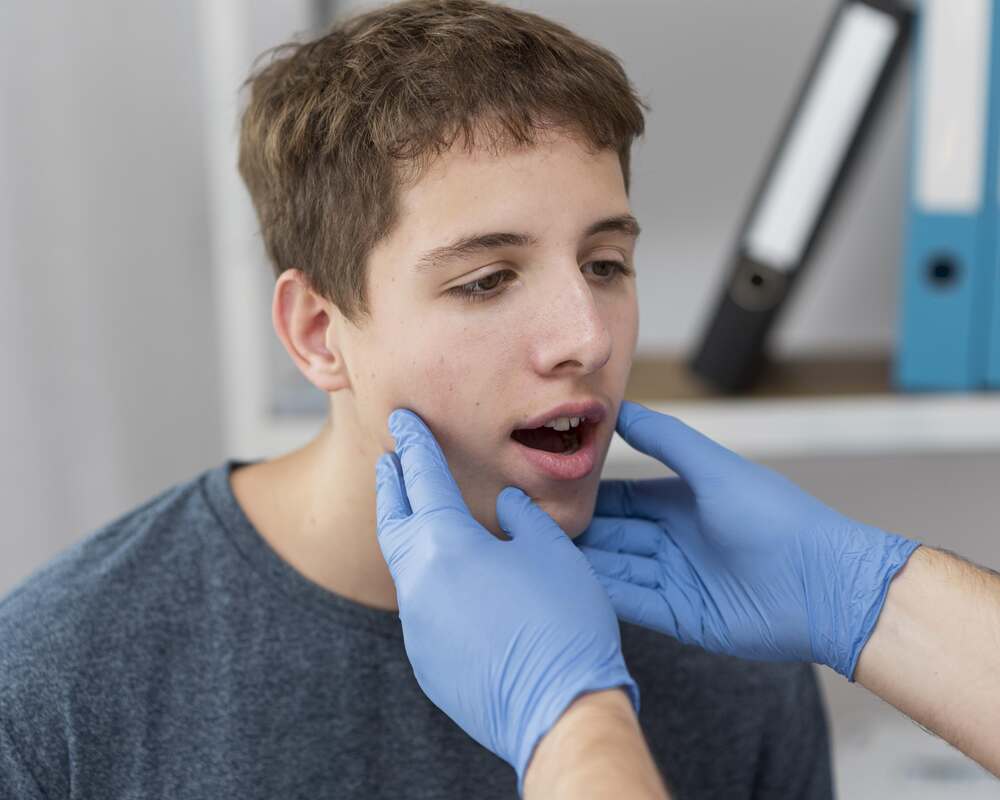
During a routine dental visit, your dentist examines your lips, tongue, cheeks, gums, throat, and other oral tissues for any unusual sores, lumps, discoloration, or other warning signs. If anything suspicious is found, additional testing or a referral may be recommended.
4. How can I reduce my risk of oral cancer?
You can lower your risk by avoiding tobacco products, limiting alcohol consumption, eating a healthy diet, protecting your lips from excessive sun exposure, maintaining good oral hygiene, and attending regular dental checkups that include oral cancer screenings.