Many parents notice several signs in their children, such as mouth breathing, snoring, or difficulty focusing during the day.
These issues may be linked to poor airway health and weak oral muscles, not just behavior problems. Myofunctional therapy in Cary helps train the tongue, lips, and mouth muscles to work correctly. This gentle treatment encourages healthy nose breathing and better oral habits.
Fixing these problems early can help your child breathe better, sleep better, and support healthy growth and development.
How Oral Muscle Retraining Works for Airway Health
Oral muscle therapy is a custom series of simple exercises that strengthen the tongue, lips, and facial muscles.
When these tissues are weak, the tongue drops to the floor of the mouth, which forces your child to breathe through their mouth.
- The Main Goal – The exercises train the tongue to rest firmly against the roof of the mouth, which, over time, naturally widens the jaw.
- Keeping Lips Closed – The movements help children keep their lips sealed gently together at rest, preventing dry mouth and throat irritation.
- Fixing How They Swallow – The therapy corrects an abnormal tongue thrust, ensuring the tongue moves upward rather than pushing forward against the front teeth.
- Moving Air Through the Nose – Breathing consistently through the nose cleans the air, warms the oxygen, and helps the lungs work better.
Why Mouth Breathing Is Bad for Growing Kids
- Changes Face Shape – Constant mouth breathing can cause a child’s face to grow long and narrow, often flattening their cheeks and pulling the lower jaw back.
- Crowding the Teeth – A narrow mouth leaves little room for adult teeth to erupt, increasing the likelihood of complex braces later on.
- Causes Snoring and Poor Sleep – A weak tongue can slip backward into the throat at night, partially blocking your child’s breathing passage.
- Leads to Daytime Fatigue – Lower oxygen levels during the night leave children feeling exhausted, which can look like attention problems at school.
- Finding Help Early – Scheduling a quick assessment at a specialized dental office in Cary helps parents catch these bad habits before they stop growing.
Comparing Muscle Training with Traditional Braces
| Care Feature | Myofunctional Muscle Therapy | Standard Traditional Orthodontics |
| Main Treatment Method | Uses daily muscle exercises to change mouth habits | Uses physical metal wires and brackets to push teeth |
| Root Cause Focus | Fixes bad swallowing and open-mouth habits directly | Fixes crooked teeth without changing how the mouth rests |
| Airway Impact Level | Directly opens the nasal airway by lifting the tongue | Focuses mostly on teeth alignment rather than breathing |
| Long-Term Results | Stops teeth from shifting by balancing muscle forces | Requires permanent wires to keep teeth from moving back |
Hidden Signs of Weak Mouth Muscles
Parents can easily check their children at home for specific signs that show facial muscles are struggling. Dry chapped lips, an open mouth while watching TV, and loud chewing are clear signs that the mouth muscles are out of balance.
If you see your child gasping or grinding their teeth during sleep, their airway is working too hard to stay open.
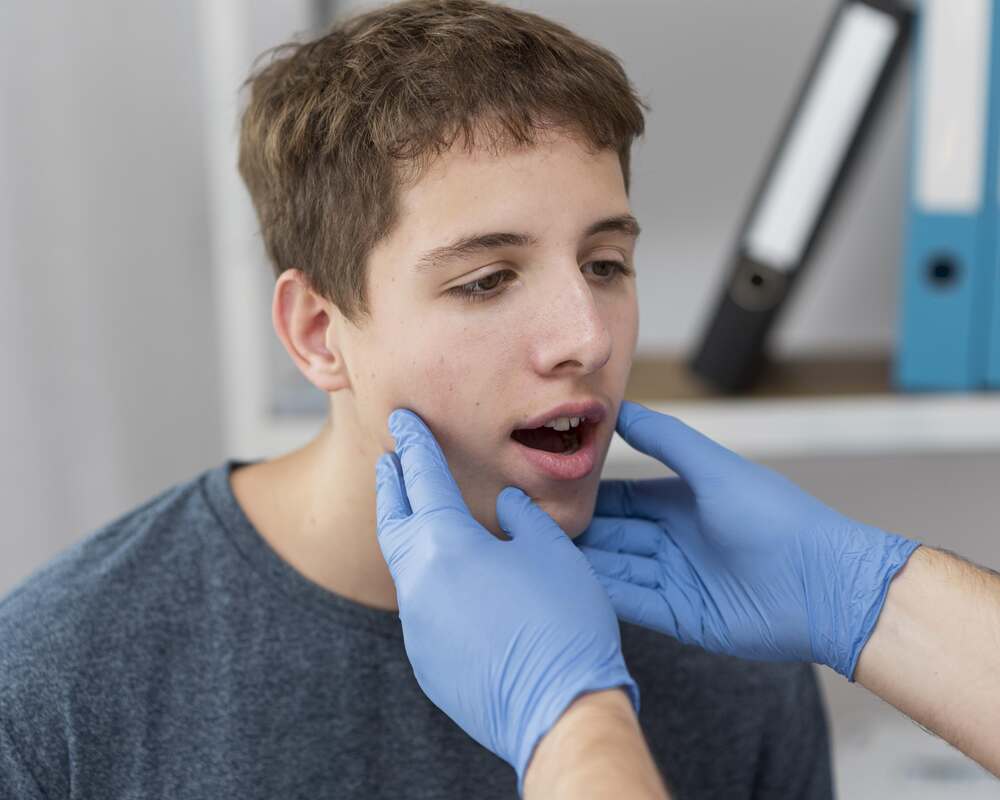
Finding a certified provider for myofunctional therapy near you allows you to get a simple physical exam of your child’s swallowing habits. Early treatment prevents minor muscle weakness from progressing to severe adult sleep problems later in life.
How Tongue Ties Block Healthy Nose Breathing
- Limits Tongue Movement – A thick, tight band of skin under the tongue prevents the tongue from reaching the roof of the mouth easily.
- Forces Low Tongue Posture – Because the tongue cannot fully elevate, it sits low and flat, automatically forcing your child to mouth-breathe.
- Alters the Swallow – A tight tongue pushes forward against the teeth, leading to an incorrect swallow that alters jaw shape.
- Getting a Professional Evaluation – Choosing a modern dental office near you allows the team to check the tongue tissue and perform a quick, gentle release if needed.
Give Your Child the Gift of Clear and Healthy Breathing
Helping your child develop correct mouth habits early is the best way to ensure they sleep deeply, grow correctly, and stay energized.
At Cary Dental Spa, our expert team provides gentle, highly personalized muscle training designed specifically to help young smiles thrive.
We are fully committed to creating a fun, welcoming, and entirely stress-free environment where your child can build healthy breathing patterns with complete confidence.
You deserve a dedicated team that understands how proper oral hygiene habits support overall body health. Call our office right now to book your child’s initial evaluation. Reach out today and let us help you get started!
FAQs
At what age should a child start these mouth exercises?
Children can start a formal checkup around age four or five, as soon as they are old enough to follow simple, game-like instructions. Identifying muscle weaknesses early in childhood allows the jaw bones to expand naturally as they are still growing rapidly.
How long does it take to see real improvements in a child’s breathing?
Good changes in lip posture and daytime breathing often show up within two to three months of daily practice. However, a full program usually lasts between six and twelve months to lock the new habits into muscle memory fully.
Can this therapy stop my child from needing metal braces in the future?
Yes, widening the upper jaw naturally through correct tongue pressure creates more space for incoming adult teeth to grow straight. While some minor cosmetic tweaks might still be needed later, it reduces the need to pull teeth.
Why is nose breathing so much better for a child’s health?
Nasal passages act as a natural filter, removing dust, germs, and pollen before they reach the lungs. Nose breathing also helps the blood absorb oxygen much more efficiently, keeping your child energized.